Cours disponibles

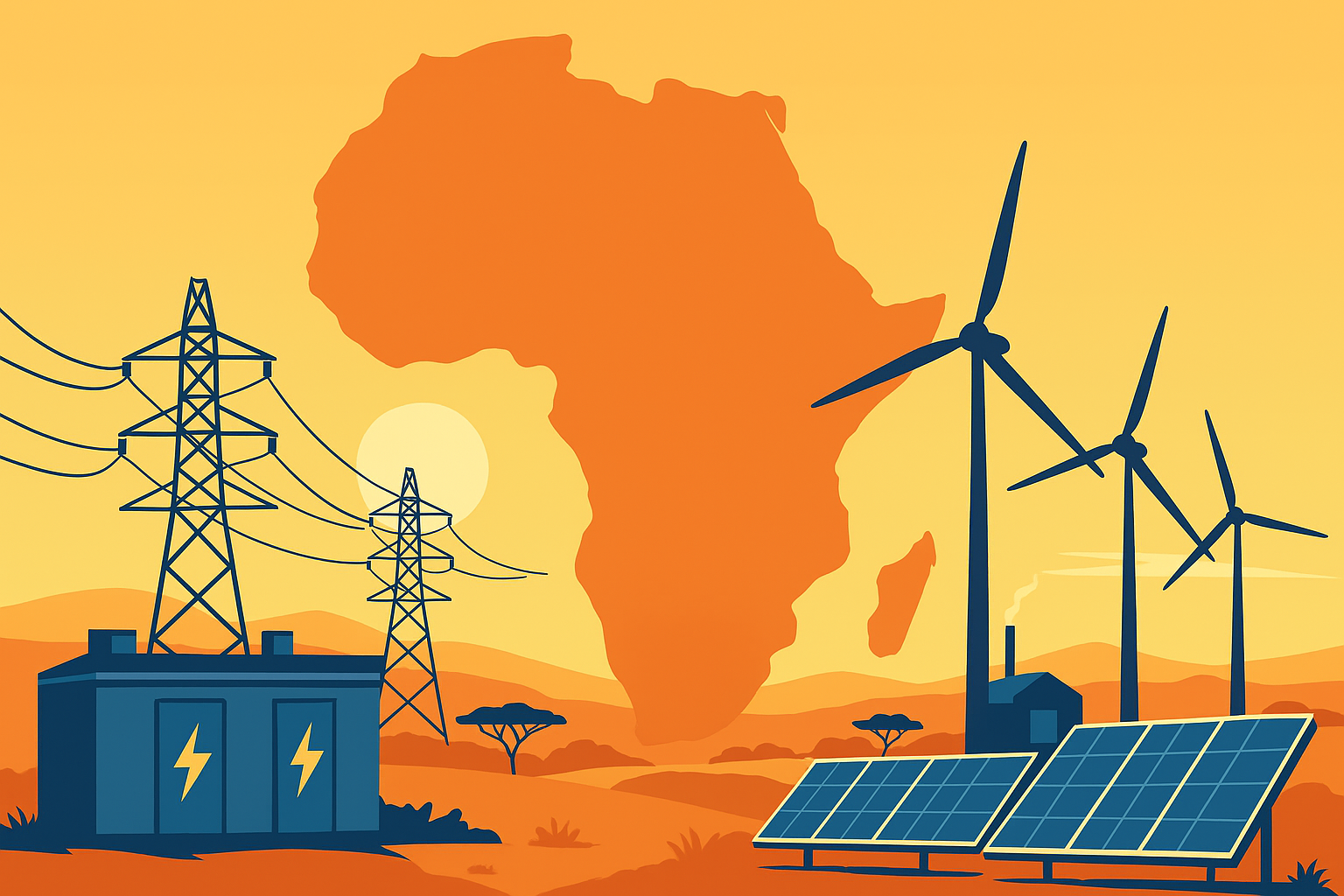
Wind energy is one of the fastest-growing sources of renewable power globally, and Africa holds immense untapped potential in this sector. With vast coastlines, open landscapes, and steady wind corridors, the continent is naturally positioned to benefit from clean, reliable, and increasingly affordable wind power. As African countries seek sustainable solutions to support economic growth, expand electrification, and reduce dependence on fossil fuels, wind energy is emerging as a strategic pillar of the continent’s energy transition.

Across Africa, wind resources are particularly strong in regions such as the Horn of Africa, North Africa, the Atlantic coast, and parts of Southern Africa. Countries like Kenya, Morocco, Egypt, Ethiopia, and South Africa have already launched large-scale wind farms that supply power to millions of homes and businesses. These pioneering projects demonstrate the continent’s ability not only to adopt wind energy technologies but also to manage and operate them at utility scale.

Beyond electricity production, wind energy offers broad socio-economic benefits for African nations. It helps reduce energy costs, cuts greenhouse-gas emissions, strengthens energy security, and creates skilled jobs in construction, maintenance, and engineering. Wind power can also complement solar energy, ensuring a more stable and diversified renewable energy mix. As Africa continues to urbanize and industrialize, investing in wind energy presents a unique opportunity to support sustainable development while protecting the environment for future generations.

This course provides a structured, end-to-end understanding of how renewable energy projects are conceived, designed, financed, and implemented within the African context. Through blending technical, financial, and policy considerations, it equips professionals with the practical tools to drive Africa's energy transition. Through engaging in-person sessions, case studies, and scenario-based assessments, participants build the capacity to evaluate project bankability, interpret policy frameworks, and apply best practices in renewable energy planning and execution across diverse African markets.

This level will focus on delivery of the training on methane emissions that is required to have a common and good understanding of the issues, key challenges and opportunities in addressing methane emissions, learn about technological landscape, etc. As a minimum, the consultant will be required to develop content and deliver training that covers fundamentals of methane emissions, detection, measurement, quantification and mitigation leading to actionable reduction of emissions in the oil and gas sector. The training will be delivered in person to up to a maximum of 40 participants for the selected country.

Nuclear energy is not safe according to Abdullah